
Matterhorn Guided Climb: A Comprehensive Plan
Planning a Matterhorn guided climb involves significant costs, around CHF 3600, including guiding fees and potential hut reservations at Hörnlihütte, starting August 19, 2022.
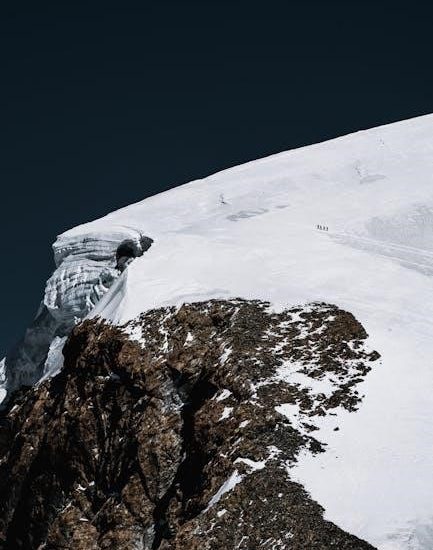
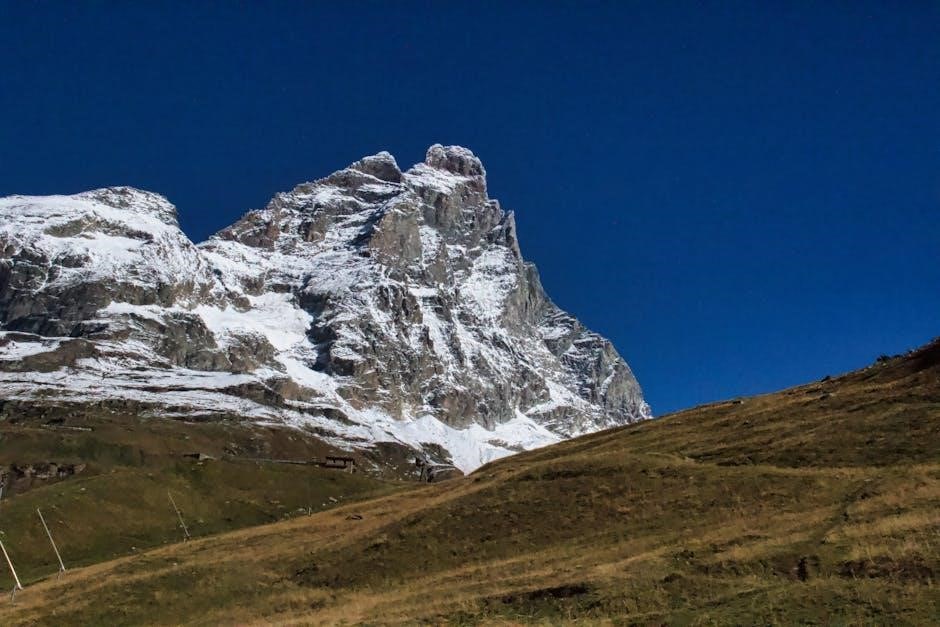
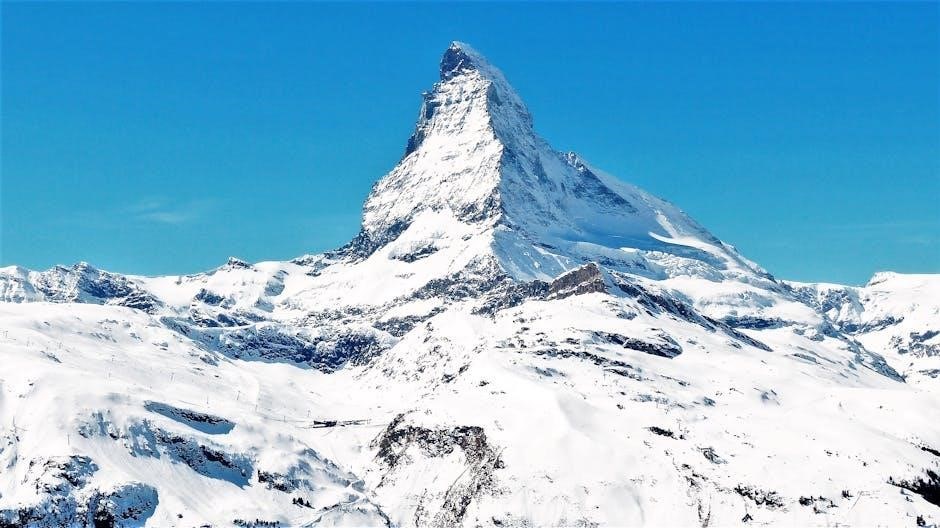
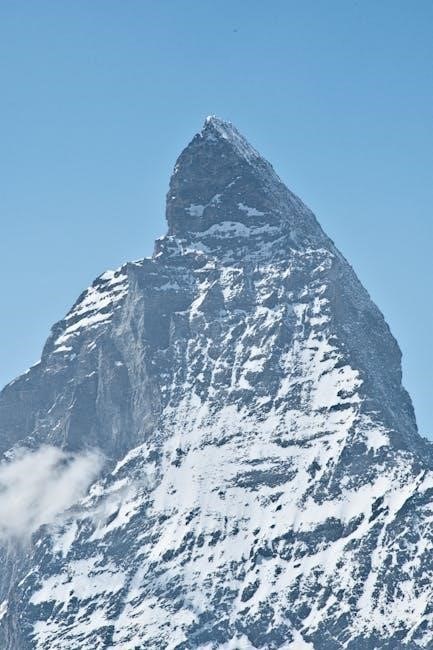
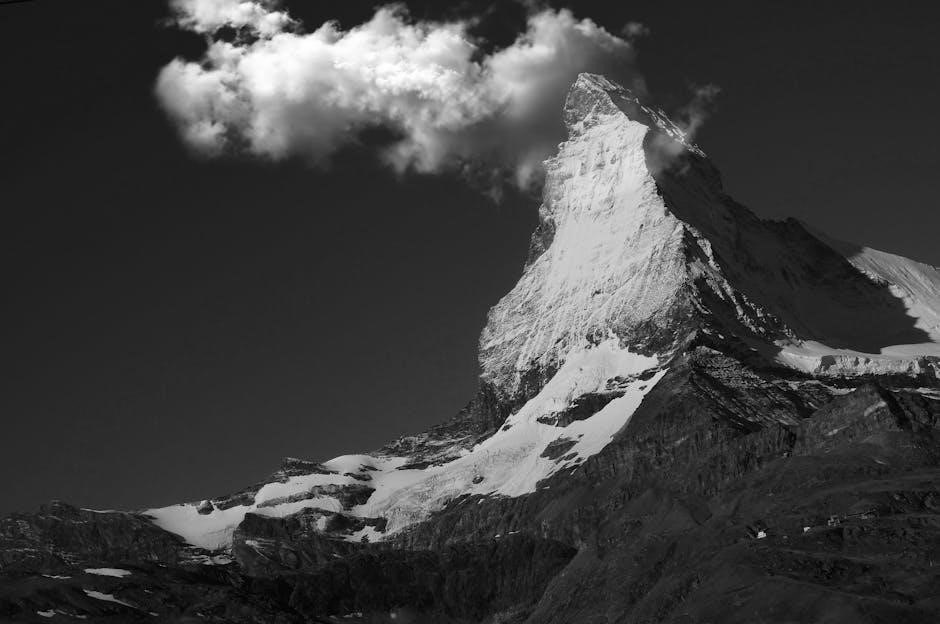
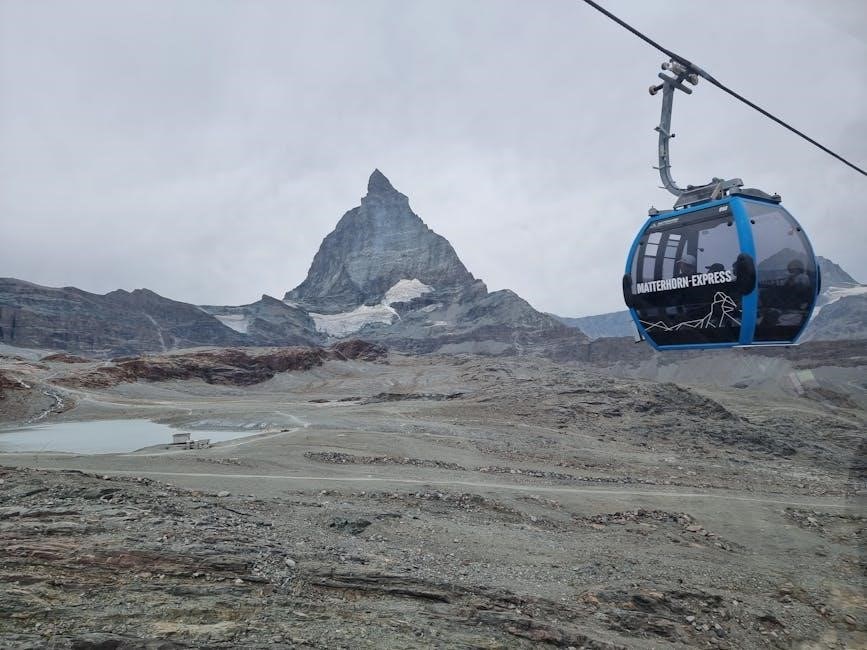
The Matterhorn, standing at 4,478 meters (14,692 feet), is arguably the most iconic mountain in the Alps. Its distinctive pyramidal shape, a result of glacial erosion, captivates climbers and onlookers alike. Located on the border between Switzerland and Italy, this majestic peak presents a formidable challenge, attracting experienced mountaineers from across the globe seeking a truly unforgettable ascent.
Historically, the Matterhorn remained unconquered for centuries due to its technical difficulty and treacherous conditions. It wasn’t until 1865 that Edward Whymper and his team achieved the first successful ascent, a feat marked by both triumph and tragedy. This initial climb cemented the Matterhorn’s place in mountaineering history and sparked a continuing allure for those daring enough to attempt its summit.
Today, guided climbs are the most common and safest way to experience the Matterhorn. These expeditions, led by certified mountain guides, provide the necessary expertise and support to navigate the mountain’s complex terrain and unpredictable weather. The Matterhorn represents not just a physical challenge, but a journey into the heart of the alpine world, offering breathtaking views and a profound sense of accomplishment.
Historical Significance of the First Ascent
The first ascent of the Matterhorn in 1865, led by Edward Whymper, remains a pivotal moment in mountaineering history. After numerous failed attempts by various teams, Whymper’s group, comprised of experienced climbers, successfully reached the summit on July 14th. This achievement instantly transformed the Matterhorn into a symbol of alpine challenge and human ambition.
However, the triumph was tragically overshadowed by the descent. Four members of the party – Lord Francis Douglas, Charles Hudson, Robert Dupré, and Peter Taugwalder the younger – perished in a fall, leaving Whymper and two others to recount a harrowing tale of survival. The incident sparked controversy and debate regarding the circumstances of the accident, with accusations of a cut rope contributing to the tragedy.
Despite the loss of life, the first ascent ignited widespread public fascination with the Matterhorn and mountaineering in general. It spurred further exploration of the Alps and inspired generations of climbers to test their limits against the formidable peaks. The event also highlighted the inherent risks of alpine climbing and the crucial role of skill, experience, and sound judgment in navigating such challenging environments, ultimately shaping the development of modern guided climbs.
Understanding the Matterhorn’s Terrain and Challenges
The Matterhorn presents a uniquely challenging alpine environment. Its pyramidal shape, composed of layered gneiss and schists, results in notoriously unstable rockfall, demanding constant vigilance. The mountain’s steep faces and exposed ridges offer minimal shelter from the elements, including unpredictable and often severe weather conditions.
The most popular route, the Hörnli Ridge, features sections of scrambling, exposed climbing, and fixed ropes, requiring a high degree of physical fitness and technical proficiency. Altitude poses a significant threat, with the summit reaching 4,478 meters (14,692 feet), increasing the risk of altitude sickness.
Navigating the terrain demands careful route-finding and precise footwork. Ice and snow patches can persist even in summer, adding to the complexity. The mountain’s remote location and limited rescue options necessitate self-reliance and a thorough understanding of alpine safety protocols. Successfully ascending the Matterhorn requires not only climbing skill but also mental fortitude and the ability to adapt to rapidly changing conditions. A qualified mountain guide is essential for mitigating these inherent risks.
Physical Fitness Requirements for a Guided Climb
A Matterhorn guided climb demands exceptional physical conditioning. Participants should possess a very high level of aerobic fitness, capable of sustaining strenuous activity for extended periods at altitude. Prior experience with multi-day mountaineering expeditions is highly recommended, demonstrating endurance and acclimatization capabilities.
Specifically, climbers should be able to comfortably hike uphill for 8-12 hours daily with a heavy backpack (15-20 kg). Strength training focusing on legs, core, and upper body is crucial for navigating steep terrain and utilizing fixed ropes. Regular cardiovascular exercise, such as running, cycling, or swimming, is essential for building stamina.
Applicants should be capable of performing repeated pull-ups and have excellent balance and coordination. A pre-climb training regimen should include simulated altitude exposure and practice with crampons and ice axes. It’s vital to honestly assess your fitness level; the Matterhorn is not a climb to underestimate. A guide can assess your readiness, but ultimate responsibility lies with the climber to arrive prepared.
Essential Climbing Skills Needed
Successfully navigating a Matterhorn guided climb requires a solid foundation of mountaineering skills. While a guide provides expertise and safety, participants aren’t novices. Fundamental rope work is paramount – proficient knot tying (figure-eight, prusik), belaying, and rappelling are non-negotiable.
Experience using crampons and an ice axe on steep snow and ice is critical. Climbers must be comfortable ascending and descending fixed ropes, utilizing techniques like the Jumar and abseiling. Understanding crevasse rescue techniques, though ideally not needed, is valuable knowledge.
Basic self-arrest skills with an ice axe are essential for mitigating fall risks. Route finding abilities, even when following a guide, enhance safety and awareness. Familiarity with alpine hazards – rockfall, icefall, and changing weather conditions – is crucial for informed decision-making. Prior experience on similar alpine climbs significantly increases preparedness and confidence. A willingness to learn and follow the guide’s instructions is also vital.
Choosing a Reputable Guiding Company
Selecting a reputable guiding company is paramount for a safe and successful Matterhorn climb. Prioritize companies employing IFMGA (International Federation of Mountain Guides Associations) certified guides – this ensures the highest standard of training and experience, like Dave Miller’s IAG.
Research the company’s history, safety record, and client testimonials. Look for transparency regarding costs, including guiding fees, hut reservations (approximately CHF 150 per person at Hörnlihütte), and potential additional expenses. A clear understanding of inclusions and exclusions is vital.
Inquire about the guide-to-client ratio; a lower ratio generally allows for more personalized attention and enhanced safety. Confirm the company’s emergency protocols and access to rescue services. Consider their logistical support, including assistance with permits and transportation. A well-established company will demonstrate professionalism, responsiveness, and a commitment to responsible mountaineering practices. Don’t hesitate to ask detailed questions about their approach to risk management and acclimatization.
The Role and Qualifications of a Mountain Guide
A certified mountain guide is indispensable for a Matterhorn ascent, acting as a leader, instructor, and safety expert. Their primary role is to mitigate risks and ensure the well-being of clients throughout the climb. IFMGA certification, held by guides like Dave Miller of IAG, signifies rigorous training in mountaineering techniques, weather assessment, and emergency procedures.
Guides possess extensive knowledge of the Matterhorn’s terrain, potential hazards, and optimal routes. They are proficient in rope work, glacier travel, and crevasse rescue. Beyond technical skills, a guide provides crucial decision-making abilities, adapting to changing conditions and client needs.
They manage logistics, including pacing, route finding, and coordinating with hut personnel. A guide’s experience, often exceeding eight years, is invaluable in navigating the challenges of high-altitude climbing. They also offer instruction on essential climbing skills and provide encouragement throughout the demanding ascent. Their expertise transforms a challenging climb into a potentially achievable and safe experience.
Gear and Equipment Checklist
Essential gear for a Matterhorn guided climb is extensive, demanding careful preparation. Core items include a robust mountaineering backpack (40-50L), appropriate high-altitude clothing layers – thermal base layers, fleece mid-layers, and a waterproof/windproof outer shell. Sturdy, broken-in mountaineering boots are crucial, alongside warm mountaineering socks.
Technical equipment encompasses a harness, helmet, crampons (compatible with boots), an ice axe, and climbing gloves. A headlamp with spare batteries is vital for early starts and potential delays. Eye protection – glacier glasses and sunglasses – is non-negotiable due to intense sun reflection.
Personal items include sunscreen, lip balm with SPF, a water bottle or hydration reservoir, and high-energy snacks. While some gear may be provided by the guiding company, clients are typically responsible for personal clothing and footwear. A detailed checklist from your chosen guide will ensure you’re adequately equipped for this challenging ascent.
Acclimatization Process Before the Climb
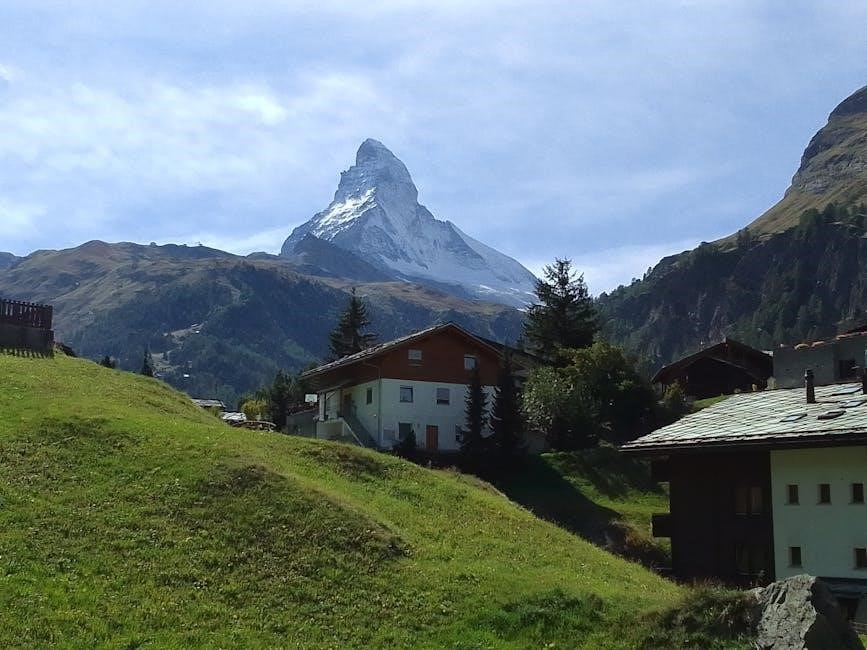
Successful Matterhorn ascents hinge on thorough acclimatization to altitude. Zermatt, at 1,620m, serves as a good starting point, but further elevation gain is critical. A gradual ascent profile is paramount, incorporating several days of hiking and/or climbing at increasing altitudes.
Spending nights at higher elevations – perhaps at the Hörnlihütte (3,260m) for a night or two – allows the body to adjust to lower oxygen levels. This process stimulates red blood cell production, enhancing oxygen-carrying capacity. Active recovery days, involving light exercise and ample hydration, are equally important.
Monitoring for symptoms of altitude sickness – headache, nausea, fatigue – is crucial. Descending to a lower altitude is the immediate response to moderate symptoms. Ignoring these warning signs can be dangerous. A well-structured acclimatization plan, guided by experienced professionals, significantly increases your chances of reaching the summit safely and enjoying the experience.
The Hörnli Ridge Route: A Detailed Overview
The Hörnli Ridge is the most popular and technically easiest route to ascend the Matterhorn, though it remains a serious undertaking. The climb begins from the Hörnlihütte, typically starting in the early hours (around 3:30 AM) to avoid daytime warmth and potential rockfall.
The initial section involves scrambling and easy climbing on relatively solid rock. As you gain altitude, the terrain becomes steeper and more exposed. The “Shoulder” is a particularly challenging section, requiring careful footwork and potentially the use of fixed ropes. Above the Shoulder, the route follows a narrow ridge with significant drop-offs on either side.
The final pitch to the summit involves a short, steep rock climb. The entire route is approximately 1,200 meters of elevation gain from the Hörnlihütte. Expect a full day of climbing, demanding both physical endurance and mental fortitude. Descent follows the same route, requiring equal caution and concentration.
Alternative Routes to the Summit
While the Hörnli Ridge is the most frequented, several alternative routes offer distinct challenges and stunning perspectives for experienced climbers. The Italian Ridge (Lion Ridge) presents a longer, more sustained climb with intricate rock formations and demanding sections, often requiring excellent conditions.
The Zmutt Ridge, approached from the Swiss side, is considered technically difficult, featuring exposed traverses and mixed climbing. The North Face routes, like the Schmidt Route, are reserved for elite alpinists due to their extreme difficulty, significant ice and mixed climbing, and high objective hazards.
Less common options include the Furggen Ridge and the Rothorn Ridge, each presenting unique technical challenges and requiring specific skillsets. Choosing an alternative route necessitates a higher level of experience, meticulous planning, and a guide intimately familiar with the chosen path. These routes often involve longer approaches and more remote bivouac locations.
Weather Conditions and Their Impact on the Climb
The Matterhorn’s weather is notoriously unpredictable and can change rapidly, significantly impacting climb safety and success. High-altitude conditions mean climbers face potential for extreme cold, strong winds, and sudden storms, even during summer months. Clear skies can quickly give way to dense fog or snowfall, reducing visibility and increasing the risk of disorientation.
Temperature fluctuations are substantial; daytime warmth can plummet dramatically at night. Wind speeds can exceed hurricane force, making movement treacherous and increasing the risk of frostbite. Precipitation, whether rain, snow, or ice, complicates the ascent, rendering rock surfaces slippery and increasing avalanche danger.
Guides meticulously monitor weather forecasts, but conditions can deviate unexpectedly. A sudden storm can force a retreat, even from near the summit. Successful ascents depend on choosing a window of stable weather and being prepared to adapt to changing conditions. Proper layering and weather-resistant gear are crucial for mitigating the impact of adverse weather.
Cost Breakdown: Guiding Fees, Hut Reservations, and Additional Expenses
A Matterhorn guided climb represents a substantial financial investment, with costs varying based on the guiding company, duration, and included services. Guiding fees typically form the largest expense, often around CHF 3600 or more, covering the expertise and safety oversight of a certified mountain guide for several days.
Hut reservations, particularly at the Hörnlihütte, are essential and contribute significantly to the overall cost. Expect to pay approximately CHF 150.00 per person for an overnight stay with half-board. These reservations are often booked well in advance, especially during peak season.
Additional expenses include transportation to and from Zermatt, rail journeys, personal climbing equipment (if not rented), meals not provided by the hut, and potential rescue fees. Insurance covering helicopter evacuation is highly recommended. Contingency funds should be allocated for unexpected delays or changes in plans due to weather.
Hörnlihütte: Accommodation and Logistics
The Hörnlihütte serves as the primary base camp for climbers attempting the Matterhorn via the Hörnli Ridge. Situated at 3,260 meters (10,696 feet), it provides essential accommodation and logistical support, though conditions are basic and reservations are crucial, costing around CHF 150 per person for a night with half-board.
Accommodation is typically in shared dormitories, with limited privacy. Facilities include a dining hall, basic sanitation, and a limited supply of water. Climbers should bring their own sleeping bags and toiletries. The hut warden provides weather updates and information about route conditions.
Logistically, the Hörnlihütte is reached via a challenging hike from Schwarzsee, taking approximately 2.5 to 3.5 hours. Porters can be hired to transport equipment, relieving climbers of some weight. The hut’s location allows for an early start to the summit attempt, maximizing chances of favorable weather conditions. Careful planning and adherence to hut regulations are essential for a smooth experience.
Typical Itinerary for a Matterhorn Guided Climb
A standard Matterhorn guided climb typically spans several days, prioritizing acclimatization and safety. Day one usually involves arriving in Zermatt and a thorough gear check with the guiding company. Subsequent days focus on acclimatization hikes to higher altitudes, potentially including a climb to a nearby peak.
The climb itself often begins in the late evening or early morning, departing from the Hörnlihütte. The ascent to the summit via the Hörnli Ridge typically takes 12-16 hours, depending on weather and climber pace. The guide manages route finding, rope work, and overall safety.
Upon reaching the summit, a brief celebration and photographs are taken before commencing the descent, which can be technically challenging. The return to the Hörnlihütte and then to Zermatt completes the climb. Post-climb, a debriefing with the guide and celebratory meal are common; This itinerary is subject to change based on conditions.
Safety Procedures and Risk Management
Safety on the Matterhorn is paramount, demanding rigorous procedures and proactive risk management. A reputable guiding company will prioritize thorough weather assessments before and during the climb, constantly monitoring for changes. Guides employ fixed ropes on challenging sections of the Hörnli Ridge, ensuring climber security.
Regular communication between the guide and climbers is crucial, addressing any concerns or fatigue. Proper rope techniques, including knot checks and belaying, are consistently enforced. Guides carry comprehensive first-aid kits and are trained in emergency procedures, including crevasse rescue.
Risk assessment involves evaluating terrain, snow conditions, and climber abilities. Contingency plans are established for various scenarios, such as sudden weather shifts or climber injury. The guide maintains ultimate authority, making decisions prioritizing the team’s safety, potentially including retreat if conditions deteriorate.
Emergency Protocols and Rescue Services
Despite meticulous planning, emergencies can occur on the Matterhorn. Established protocols are vital. Guides carry communication devices – radios and potentially satellite phones – for immediate contact with Zermatt rescue services. Pre-arranged helicopter evacuation plans are in place, factoring in weather limitations and landing zones.
In case of injury, the guide will administer first aid and assess the situation. Depending on severity, self-rescue, assisted descent, or helicopter evacuation will be considered. Guides are trained to stabilize injured climbers and prepare them for transport.
Swiss Air-Rescue (REGA) is the primary rescue organization, renowned for its efficiency and expertise in alpine environments. Climbers should be aware of the potential costs associated with helicopter rescue, which may not be fully covered by insurance. Guides will coordinate with REGA, providing precise location and patient details; A well-prepared guide will also have emergency bivouac equipment.
Nutrition and Hydration During the Climb
Maintaining adequate nutrition and hydration is paramount during a demanding Matterhorn climb. The high altitude and strenuous activity significantly increase caloric expenditure and fluid loss. A guide will emphasize consistent intake of energy-rich foods throughout the ascent.
Typical provisions include easily digestible carbohydrates like energy bars, gels, and dried fruits, alongside protein sources such as nuts and jerky. Frequent, small snacks are preferable to large meals, preventing digestive discomfort. Electrolyte replacement is crucial, achieved through sports drinks or electrolyte tablets, combating dehydration and muscle cramps.
Water intake must be proactive, even without feeling thirsty. Melting snow or ice may be necessary, requiring a stove and fuel. Guides will monitor climbers for signs of dehydration – headache, fatigue, and decreased urine output – and enforce regular hydration breaks. Proper hydration aids acclimatization and performance. Avoiding sugary drinks is also recommended to prevent energy crashes.
Dealing with Altitude Sickness
Altitude sickness poses a significant risk during a Matterhorn guided climb, demanding proactive prevention and swift management. Ascending gradually, as incorporated into the acclimatization process, is the primary preventative measure. However, individual susceptibility varies, and symptoms can still develop.
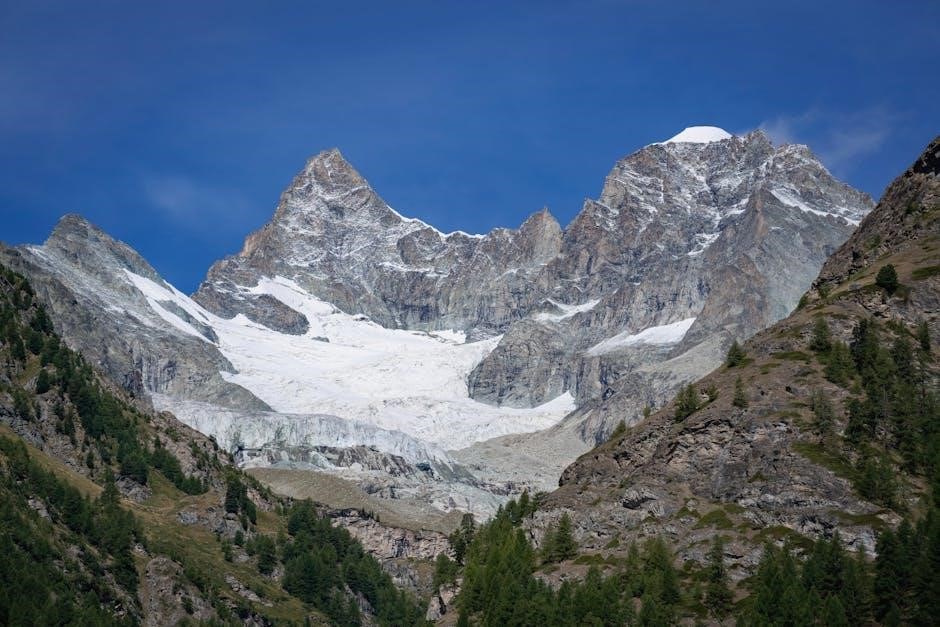
Mild symptoms – headache, nausea, fatigue – often resolve with rest and hydration. Descending to a lower altitude is the most effective treatment. A guide will closely monitor climbers for early signs, utilizing pulse oximeters to assess oxygen saturation levels. Ignoring symptoms can lead to more severe conditions like High Altitude Cerebral Edema (HACE) or High Altitude Pulmonary Edema (HAPE).
Severe symptoms require immediate descent and potentially supplemental oxygen. Guides are trained to recognize and respond to these emergencies, carrying emergency oxygen and knowing evacuation protocols. Communication is key; climbers must report any discomfort honestly. Pre-existing medical conditions should be disclosed to the guide beforehand, allowing for personalized risk assessment and management.
Post-Climb Recovery and Considerations
Post-climb recovery after a Matterhorn guided ascent is crucial, demanding both physical and mental restoration. Expect significant muscle soreness and fatigue for several days, potentially longer. Prioritize rehydration and nutrient-rich foods to replenish depleted energy stores. Gentle stretching and light activity can aid muscle recovery, but avoid strenuous exercise immediately.
Monitor for delayed symptoms of altitude sickness, even after descending. Psychological decompression is also important; the intensity of the climb can be emotionally taxing. Allow time to process the experience and reflect on the achievement.
Consider ongoing physical conditioning to maintain fitness levels. Review the climb with your guide, discussing lessons learned and areas for improvement. Finally, acknowledge the inherent risks involved and appreciate the accomplishment. The Matterhorn demands respect, and a thoughtful post-climb approach ensures a safe and fulfilling conclusion to the adventure.
Photography Opportunities on the Matterhorn
The Matterhorn presents unparalleled photography opportunities, demanding careful planning alongside climbing logistics. Capture the iconic pyramidal shape from various angles during the ascent, particularly during sunrise or sunset for dramatic lighting. The Hörnli Ridge route offers stunning vistas of the surrounding Alps, providing breathtaking backdrops.
Consider the challenges: cold temperatures can impact battery life, and strong winds require secure camera mounting. Photographing the Milky Way above the Matterhorn, as demonstrated by photographers like Anping, requires patience and long exposures in frigid conditions.
Document the climb’s progression, capturing images of key landmarks and fellow climbers. Don’t forget to photograph the unique textures of the rock and ice. Post-summit, panoramic views reward the effort. Remember to prioritize safety; never compromise climbing progress for a photograph. The Matterhorn’s beauty is best preserved through responsible and mindful image-making.