Androgyny embodies a blend of masculine and feminine traits, defying strict gender roles. It’s a presentation, aesthetic, and behavior that transcends traditional binaries,
appearing throughout history and modern culture as a fascinating expression.
Defining Androgyny: Beyond Binary Gender
Androgyny fundamentally challenges the conventional understanding of gender as a rigid dichotomy. It’s not simply about being “half male and half female,” but rather about existing beyond those prescribed categories. The term, rooted in Greek etymology – andros (man) and gyne (woman) – signifies a blending, an integration of characteristics traditionally associated with both sexes.
This isn’t necessarily tied to a specific gender identity, sex assigned at birth, or sexual orientation. An individual can identify as male, female, or non-binary and still express androgyny through their presentation, behavior, or personality. It’s a spectrum, a fluid expression rather than a fixed state.
Crucially, androgyny differs from intersex conditions or hermaphroditism, which relate to biological sex characteristics. Androgyny is a presentation – how one chooses to express themselves – while the others are biological variations. It’s about blurring the lines, embracing ambiguity, and moving beyond the limitations of a binary gender system, showcasing a unique and multifaceted self.
Historical Context of Androgynous Expression
Androgynous expression isn’t a modern phenomenon; its roots stretch deep into history and mythology. Throughout various cultures, figures embodying both masculine and feminine qualities have appeared, often holding significant spiritual or symbolic roles. Ancient Greek mythology featured deities with fluid gender characteristics, and similar figures appear in other pantheons.
Historically, societal norms often dictated strict gender roles, making overt androgyny less common or openly expressed. However, instances emerge in fashion – like men adopting elements of women’s clothing, or vice versa – as subtle acts of rebellion or artistic expression. The early 20th century saw glimpses of androgynous style, particularly within artistic movements.
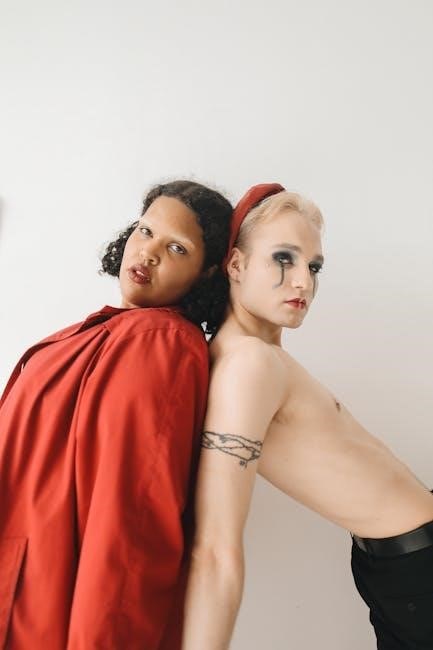
More recently, androgyny gained prominence in music and popular culture, with artists deliberately blurring gender lines in their image and performance. This trend reflects a broader societal shift towards challenging traditional norms and embracing individuality. Fashion, too, has consistently featured androgynous designs, demonstrating its enduring appeal and cultural relevance.
Understanding the Roots of Androgyny
Androgyny’s origins lie in the Greek words andros (man) and gyne (woman), signifying a blending of both. It’s distinct from biological sex and identity.
Etymology: Greek Origins of “Andros” and “Gyne”
The term “androgyny” itself is deeply rooted in ancient Greek language and mythology, offering a foundational understanding of the concept. It’s derived directly from the Greek words andros, meaning “man,” and gyne, meaning “woman.” When combined, these elements create a word that literally signifies possessing both male and female characteristics.
This linguistic origin isn’t merely descriptive; it hints at a historical recognition of individuals or beings embodying a duality of gender. In Greek mythology, the primordial being Androgynos was described as being both male and female simultaneously, representing a complete, original human form before being split into separate sexes by Zeus.
This mythological narrative suggests that androgyny wasn’t initially viewed as an anomaly, but rather as a state of wholeness. The etymological connection to these ancient roots underscores that the idea of blending masculine and feminine qualities has a long and complex history, predating modern gender discourse.

Distinguishing Androgyny from Intersex and Hermaphroditism
It’s crucial to differentiate androgyny from intersex and hermaphroditism, as they represent distinct concepts often conflated. Androgyny is a presentation – a blend of masculine and feminine characteristics expressed in behavior, aesthetics, or fashion. It doesn’t relate to biological sex characteristics.
Conversely, intersex refers to variations in sex characteristics, including chromosomes, gonads, or anatomy, that don’t fit typical definitions of male or female. Hermaphroditism, while historically used, is now largely considered an inaccurate and stigmatizing term for intersex variations. These are biological realities.
Therefore, someone can be intersex and express androgyny, but the two aren’t inherently linked. An individual can identify with a specific gender while presenting androgynously, and intersex individuals may or may not identify as androgynous. Androgyny is about expression; intersex is about biological sex variations.
Psychological Perspectives on Androgyny
Psychologically, androgyny explores the integration of traits traditionally associated with both sexes within a single individual. This isn’t about being “half male, half female,” but possessing a full spectrum of personality characteristics, including both assertiveness and nurturing behavior, toughness and gentleness.
Historically, psychological research, particularly in the mid-20th century, investigated androgyny as a potentially healthier psychological state than rigidly adhering to traditional gender roles. Individuals scoring high on both masculine and feminine personality scales were often seen as more adaptable, creative, and emotionally well-adjusted.
However, modern perspectives acknowledge the social construction of gender and the potential for harm in imposing rigid categories. Androgyny, from this viewpoint, represents a freedom from limiting gender stereotypes, allowing for a more authentic and fluid self-expression. It’s about psychological flexibility and wholeness, not conformity to a new set of rules.
Androgyny in Self-Expression
Self-expression through androgyny manifests in fashion, aesthetics, and behavior, deliberately blurring gender lines. It’s a conscious choice to move beyond societal norms and expectations.
Androgynous Fashion: Blurring Gender Lines in Clothing
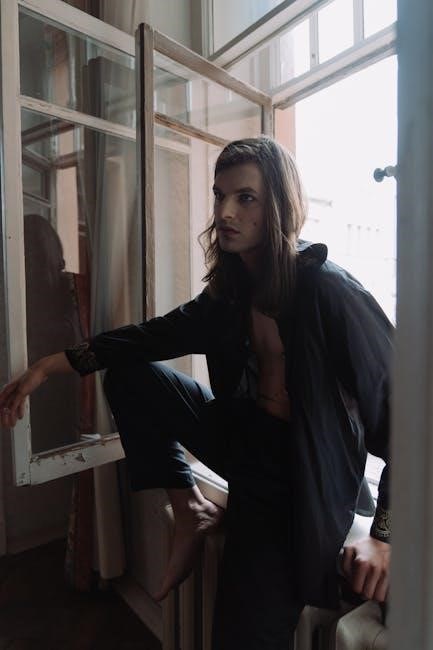
Androgynous fashion intentionally challenges conventional clothing norms, moving beyond garments traditionally assigned to specific genders. This style embraces a fluidity where individuals freely select attire based on personal preference, rather than societal expectations. It’s not about dressing as the opposite gender, but rather selecting pieces that possess qualities considered both masculine and feminine.
Historically, elements of androgynous style have always existed, though often within subcultures or as fleeting trends. However, contemporary fashion increasingly celebrates this aesthetic, with designers actively creating collections that intentionally blur these lines. Think tailored suits on women, or flowing blouses on men – pieces that defy easy categorization.

The appeal lies in its liberating quality; it allows for a more authentic expression of self, unconstrained by rigid gender roles. It’s a visual statement of individuality, and a rejection of prescriptive fashion rules. A corner of the fashion world has always designed clothes having a casual androgyny, and this trend continues to grow.
Aesthetics of Androgyny: Visual Cues and Style
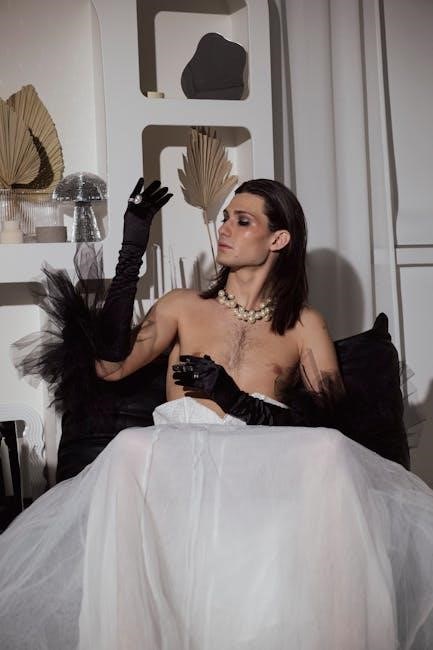
The aesthetics of androgyny aren’t defined by a rigid set of rules, but rather by a deliberate mixing of visual cues traditionally associated with masculinity and femininity. This can manifest in various ways, from hairstyle and makeup to body language and overall presentation. It’s about creating a harmonious balance, or a striking contrast, between these elements.
Key visual cues often include a preference for neutral color palettes, minimalist silhouettes, and a rejection of overly ornate or gendered accessories. However, androgynous aesthetics can also incorporate traditionally feminine details – like delicate fabrics or subtle makeup – alongside more traditionally masculine elements, such as structured tailoring or bold footwear.
Ultimately, the goal isn’t to erase gender entirely, but to present a more nuanced and complex visual identity. She still dresses with the quirky androgyny that made her a star, demonstrating that it’s a powerful form of self-expression and a celebration of individuality.
Androgynous Behavior: Traits and Characteristics
Androgynous behavior extends beyond appearance, encompassing a blend of personality traits traditionally linked to both sexes. In psychology, androgyny refers to individuals exhibiting both toughness and gentleness, assertiveness and nurturing behavior – adapting their approach based on the situation, rather than being confined by gendered expectations.
This often translates to a comfort with vulnerability alongside strength, a willingness to express a full range of emotions, and a rejection of rigid social norms dictating how men and women “should” act. It’s about possessing a flexible and adaptable personality, capable of empathy and directness.
Individuals displaying androgynous behavior may demonstrate a strong sense of independence, intellectual curiosity, and a capacity for both collaboration and leadership. It’s a balanced approach, allowing for a richer and more authentic expression of self, unbound by traditional gender roles.
Androgyny in Culture and Arts
Androgyny frequently appears in music, literature, and mythology, often reflecting societal shifts and challenging norms. It’s a recurring theme, embraced by artists and storytellers alike.
Androgyny in Music: Trends and Notable Artists
Androgyny has consistently surfaced within musical trends, often as a deliberate artistic statement or a reflection of evolving societal perceptions. Throughout rock and pop history, artists have intentionally blurred gender lines through fashion, performance, and lyrical content. This exploration frequently challenges conventional expectations and invites audiences to reconsider established norms.
Notable examples include David Bowie, whose Ziggy Stardust persona epitomized androgynous glam rock, and Prince, who masterfully blended masculine and feminine aesthetics. More recently, artists like Harry Styles and Janelle Monáe have embraced androgynous presentation, pushing boundaries and sparking conversations about gender expression. These musicians demonstrate how androgyny isn’t merely a visual style but a powerful tool for self-expression and social commentary.
The cyclical nature of androgyny in music suggests a continuous desire to question and redefine gender roles, making it a consistently relevant and captivating element within the art form.
Androgyny in Literature and Mythology
Androgynous figures and themes permeate literature and mythology across cultures, often representing wholeness, balance, or a transgression of societal norms. Ancient myths frequently feature deities or beings possessing both male and female characteristics, symbolizing a primordial state of unity before the separation of genders. These narratives often explore the complexities of identity and the limitations of binary classifications.
In literature, authors have utilized androgynous characters to challenge conventional gender roles and explore themes of fluidity and self-discovery. From Hermaphroditus in Greek mythology – whose name lends itself to the term ‘hermaphrodite’ – to more modern literary examples, androgyny serves as a powerful narrative device.
These representations demonstrate a long-standing fascination with the blending of masculine and feminine qualities, reflecting a persistent human desire to move beyond rigid categorizations and embrace a more nuanced understanding of identity.
Navigating Androgyny Today

Contemporary society witnesses growing acceptance of androgynous expression, separate from gender identity or sexual orientation. It’s a fluid presentation, challenging norms and fostering inclusivity,
reflecting evolving perceptions of gender.
Androgyny and Gender Identity
Androgyny, as a form of gender expression, exists distinctly from gender identity. One can identify as male, female, non-binary, or any other gender while presenting androgynously. It’s crucial to understand that androgyny isn’t a gender identity itself, but rather a way of embodying gender through aesthetics and behavior.
Individuals may choose androgynous presentation to explore or express facets of their identity, or simply as a stylistic preference, entirely independent of their internal sense of gender. For some, it’s a deliberate rejection of societal expectations and binary constraints. Others find freedom in blurring those lines, creating a personal style that feels authentic and comfortable.
Furthermore, androgyny doesn’t dictate sexual orientation; an androgynous person can be heterosexual, homosexual, bisexual, or any other orientation. It’s a multifaceted aspect of self-expression that doesn’t inherently define one’s attraction or internal sense of self. The key takeaway is that androgyny is about how one presents, not who one is at their core.
Androgyny and Sexual Orientation
Androgyny, as a mode of expression, holds no inherent connection to sexual orientation. It’s a common misconception that androgynous presentation implies a specific attraction or identity. Individuals exhibiting androgynous traits can identify as heterosexual, homosexual, bisexual, pansexual, asexual, or any other orientation along the spectrum.
The choice to express oneself androgynously is often rooted in personal style, comfort, or a rejection of rigid gender norms, rather than a declaration of sexual preference. An androgynous aesthetic doesn’t reveal anything about who someone is attracted to; it simply reflects how they choose to present themselves to the world.
Attributing a specific sexuality to someone based on their androgynous appearance is inaccurate and perpetuates harmful stereotypes. Sexual orientation is a deeply personal aspect of identity, separate and distinct from gender expression. Understanding this distinction is vital for fostering inclusivity and respecting individual autonomy.
The Evolving Perception of Androgyny in Society
Historically, androgynous expression often faced societal disapproval, viewed as challenging established gender roles and expectations. However, perceptions are demonstrably shifting, particularly within contemporary culture. Increased visibility of androgynous individuals in media, fashion, and the arts has contributed to greater acceptance and understanding.
While challenges remain, there’s a growing recognition that gender is a spectrum, and individuals should be free to express themselves authentically, regardless of societal norms. Fashion, once rigidly defined by gender, now frequently embraces androgynous styles, blurring traditional lines and offering more inclusive options.
This evolution isn’t without its complexities. Societal conditioning still influences perceptions, and androgynous individuals may encounter prejudice or misunderstanding. Nevertheless, the trend towards greater acceptance signifies a positive step towards a more inclusive and diverse society, celebrating individuality and self-expression.