

Overview of Cake Pricing
In today’s market, a cake pricing guide blends size, flavor, and décor. A 9‑inch round typically costs $30‑$50, while a 12‑inch wedding tier can reach $200+. Business owners use charts that map servings to price tiers, ensuring affordability while covering ingredient, labor, and overhead costs.!!!
Key Factors That Drive Prices
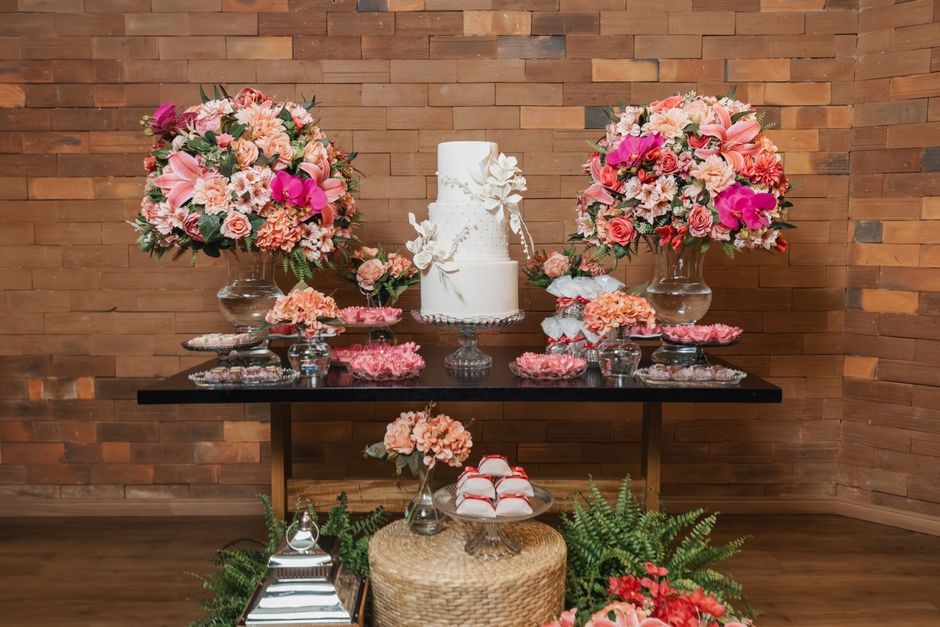
Pricing a cake is more than a simple arithmetic exercise; it reflects a confluence of strategic decisions that shape the final price tag. First, brand positioning dictates how much a customer is willing to pay for perceived prestige or artisanal quality. A boutique bakery that markets itself as a luxury provider can command premium prices, whereas a mass‑producing shop may focus on volume and affordability. Second, geographic location plays a pivotal role: urban centers with higher rent and living costs naturally push prices upward, while suburban or rural outlets can leverage lower overhead to stay competitive. Third, the event type and its associated expectations influence pricing. A corporate luncheon cake may demand a sleek, minimalist design, whereas a wedding tier often requires elaborate, multi‑layered construction, each adding to the perceived value. Fourth, décor complexity—ranging from simple fondant swirls to intricate sugar‑floral arrangements—directly affects the amount of expert craftsmanship and care and time invested, thereby elevating the final cost. Fifth, packaging and presentation, for delivery or take‑away, add material and labor expenses that must be reflected in the price. Sixth, regulatory compliance, such as food safety or allergen labeling, adds administrative overhead. Finally, macro‑economic factors, including inflation, commodity price swings, and consumer purchasing power, create a shifting backdrop that businesses must monitor and adjust their pricing strategies accordingly.
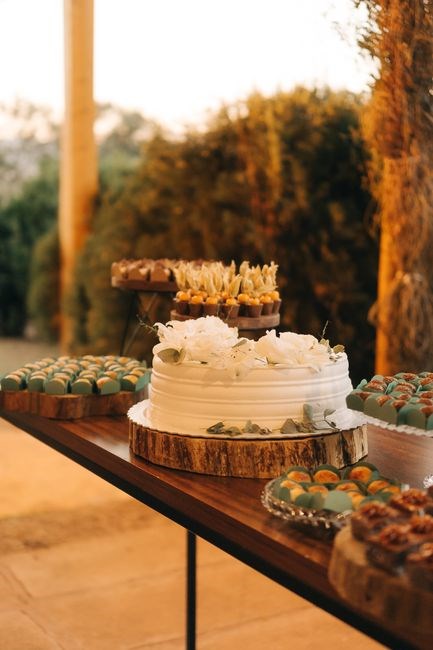
Standard Cake Sizes and Pricing Models
Standard cake sizes range from 8‑inch singles to 12‑inch tiers. Pricing models often use a base cost per pound plus a markup for décor. A 9‑inch cake averages $35–$45, while a 12‑inch tier can range $120–$180. Bulk orders receive volume discounts, and seasonal flavors add premium fees for events andgift.
Typical Serving Sizes and Price Ranges
When setting a cake price, the first step is to determine the number of servings the cake will provide. A standard 9‑inch round cake yields roughly 12–14 slices, ideal for small gatherings and priced between $30 and $45. A 12‑inch round, offering 18–20 slices, is common for medium parties and typically sells for $55–$75. For larger celebrations, a 16‑inch round or a tiered 12‑inch cake can serve 30–40 people and usually commands a price of $90–$120. Specialty cakes—such as those with intricate fondant work or premium fillings—often add a surcharge of 10–20% to the base price. In addition, the type of flavor (classic vanilla or chocolate versus exotic options like salted caramel or matcha) can shift the price upward by $5–$10 per serving. By aligning the serving size with the desired price range, bakers can maintain profitability while meeting customer expectations.
Industry data from 2025 shows that the average cost per slice for a 12‑inch cake is $3.50, while premium tiers average $4.20. Bakers often use a markup of 60% on ingredient costs to cover labor and overhead, resulting in a final price that reflects both quality and market demand. By consulting local competitors and adjusting for regional cost differences, a baker can fine‑tune the price to stay competitive while preserving margins.
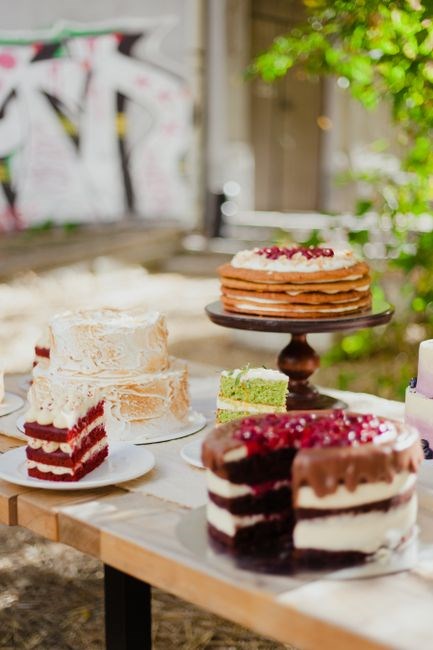
Finally, offering a price ladder—such as $25 for a 6‑inch cake, $45 for a 9‑inch, $70 for a 12‑inch, and $110 for a 16‑inch—provides transparency to customers and simplifies the ordering process. This tiered approach also allows for easy scaling of production and inventory management, ensuring that each cake meets the expected quality standards without compromising profitability.
Moreover, many bakers incorporate a fixed service fee for delivery and setup, typically ranging from $15 to $30, which covers transportation, assembly, and any on‑site decoration adjustments. Customers appreciate this clarity, as it prevents hidden costs and builds trust in the brand.
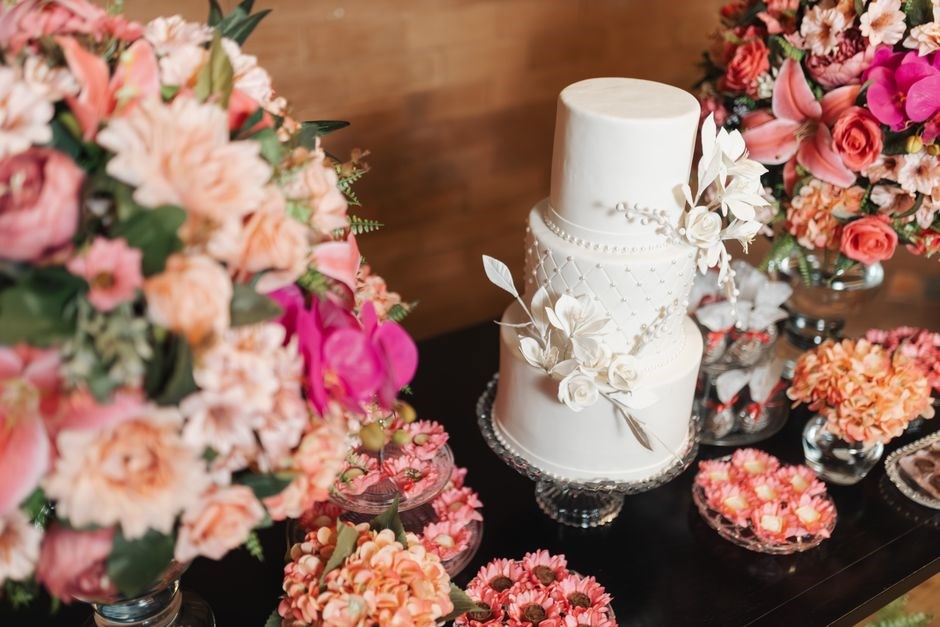
Adjusting these figures annually keeps the business competitive.
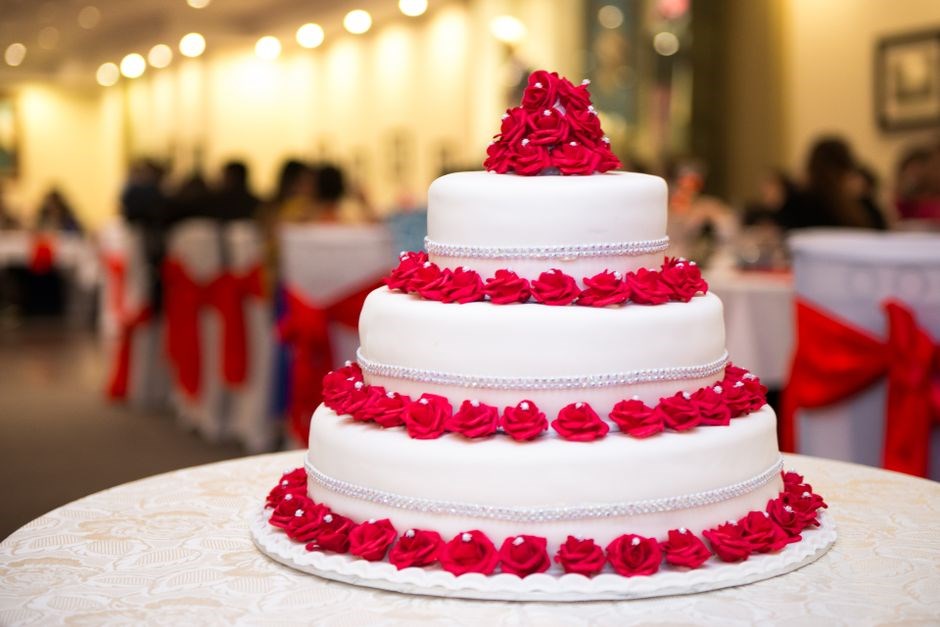
Cost Breakdown for Cake Production
Ingredient costs average 40% of the final price, labor 25%, overhead 15%, and packaging 10%. Adjustments for seasonal ingredients or specialty décor can raise the total by 5‑10%. Accurate tracking ensures competitive yet profitable pricing. Margin goals met
Ingredient, Labor, and Overhead Costs
In practice, many bakers use a simple rule of thumb: ingredient cost should not exceed 35% of the retail price, labor 25%, and overhead 15–20%. The remaining 20–30% covers profit and unforeseen expenses. Seasonal items like truffles or exotic fruits can raise ingredient costs to 45%, adding markup. Likewise, elaborate piping or custom sculpting can add 10–15% to labor. By monitoring percentages, a shop can adjust its pricing sheet weekly, ensuring each tier remains profitable and attractive to customers…
Custom Cake Pricing Formula
Start with ingredient cost per pound, multiply by cake weight. Add labor: hourly rate × hours. Include overhead: a fixed percentage of total. Then apply markup (15‑25%) for profit. Finally, add custom décor fees per design element. Total equals the final price. Add 5% seasonal surcharge for premium.!
Step‑by‑Step Calculation Method
Follow this systematic approach to set a fair price for every custom cake:
- Ingredient Cost: List all items—flour, sugar, eggs, butter, flavorings, fillings, and decorations. Multiply quantities by current market prices, then sum to get the raw material cost.
- Labor Charge: Estimate total hours for mixing, baking, decorating, and packaging. Multiply by the baker’s hourly rate. Add a small buffer for unforeseen delays.
- Overhead Allocation: Divide utilities, rent, equipment depreciation, and marketing expenses proportionally based on the cake’s size and complexity.
- Base Price: Add ingredient, labor, and overhead costs. This is the cost of goods sold (COGS).
- Profit Margin: Apply a markup percentage that reflects business goals and market standards (commonly 30‑50%). Multiply the COGS by (1 + markup).
- Size & Serving Adjustment: For larger tiers or multi‑layer cakes, increase the price per serving by 10‑15% to account for extra labor and materials.
- Specialty & Seasonal Premium: Add a surcharge for exotic flavors, custom designs, or holiday themes (typically $5‑$15 per slice).
- Final Price Calculation: Sum all components. Round to the nearest $5 for customer friendliness.
- Validate: Compare the final figure with local competitors and adjust if necessary to stay competitive yet profitable.
- Shipping: Shipping: $5. Delivery.

Seasonal and Specialty Cake Considerations
Seasonal and specialty cakes command higher prices due to limited‑edition flavors, elaborate hand‑painted designs, and event‑specific themes. Spring berries, holiday spices, or custom monograms add cost, so pricing reflects ingredient rarity, labor intensity, and décor complexity and seasonal flair.
Premium Flavors, Decorations, and Events
Premium cake offerings command a premium price due to ingredient quality, intricate design, and event‑specific customization. High‑end flavors—such as lavender‑infused vanilla, salted caramel, or single‑origin chocolate—often add $10‑$30 per tier. Exotic fruits, edible gold leaf, and artisanal fillings can push the cost further, especially when sourced from boutique suppliers. Decorative elements also drive up the final price. Hand‑painted fondant, fresh flower arrangements, and custom sculptural toppers may add $20‑$100 depending on labor hours. For large events, a multi‑tier wedding cake with a 12‑inch base, 8‑inch middle, and 6‑inch topper can range from $250 to $500, while a 16‑inch tiered cake for a corporate gala may exceed $800. Seasonal themes—such as holiday motifs or themed birthday cakes—often require additional design work, increasing the markup by 15‑25%. Event logistics, including delivery, setup, and on‑site decoration, are factored into the final quote and can add $50‑$200. Additionally, seasonal events such as Christmas or Halloween often demand themed decorations like snowflake fondant or spooky figurines, which can add another 10‑20% to the base price. Professional cake decorators may also charge a setup fee for on‑site assembly, typically ranging from $30 to $100 depending on venue size and complexity. Some bakers offer a premium ‘signature’ line where each cake is hand‑crafted with a unique flavor profile and a bespoke design, priced at a minimum of $400 for a 12‑inch tier. Clients can also opt for a ‘delivery and display’ package that includes a branded cake stand, lighting, and a small floral arrangement, which can increase the overall cost by $150 to $300. By outlining these options, bakers can cater to luxury markets while maintaining profitability
Retail vs. Wholesale Pricing Strategies
Retail pricing applies a markup of 30‑50% over cost, targeting consumers. Wholesale rates drop 20‑35% to attract bulk buyers, focusing on volume. Both strategies balance ingredient, labor, and overhead while meeting market demand and maintaining profit margins. Seasonal shifts adjust cake prices now daily.
Mark‑up and Volume Discounts
Mark‑up strategies balance profit and competitiveness. Retailers often apply a 50–60% mark‑up on finished cakes, while wholesalers use 20–30% to attract bulk buyers. The mark‑up is calculated by adding a fixed percentage to the total cost of ingredients, labor, and overhead. For example, if a 12‑inch tier costs $80, a 50% mark‑up yields a $120 retail price.
Volume discounts incentivize larger orders. Tiered pricing is common: 1–5 cakes: no discount; 6–10 cakes: 5% off; 11–20 cakes: 10% off; 21+ cakes: 15% off. These thresholds are set after analyzing cost per unit, storage, and delivery logistics. Bulk orders also allow for simplified packaging and reduced labor per cake, further lowering the effective cost.
When applying discounts, businesses must ensure that the net margin remains above the break‑even point. A simple formula is: Net Price = (Cost × (1 + Mark‑up)) × (1 – Discount). For instance, a $80 cake with a 50% mark‑up ($120) and a 10% discount becomes $108. This approach keeps pricing transparent and profitable across all order sizes.
Mark‑up decisions also consider seasonal demand and supply chain volatility. When ingredient costs rise, a baker may increase the mark‑up by 5–10% to protect margins, while still offering a competitive price. Conversely, during off‑peak seasons, a lower mark‑up combined with volume discounts can stimulate sales and reduce inventory holding costs.
Balance markup volume discounts to boost daily profits.
Competitive Benchmarking and Market Analysis
Benchmarking involves comparing local bakery prices, analyzing online listings, and reviewing industry reports. By mapping average costs per serving, businesses adjust margins, spot niche gaps, and set competitive yet profitable rates. 2026!!!..
Using Industry Data and Price Comparisons
Successful cake pricing hinges on benchmarking against reliable industry data. Most bakers consult publicly available charts that map standard sizes—9‑inch, 12‑inch, 18‑inch—to average retail prices, often sourced from trade associations or online marketplaces. By overlaying these figures with local cost adjustments, a shop can set competitive yet profitable rates.
Key resources include:
- Pricing charts that list typical serving counts and suggested price ranges.
- Price‑list templates available in PDF or spreadsheet form, which allow quick insertion of ingredient costs and labor multipliers.
- Custom‑cake calculators that factor in décor complexity, specialty flavors, and delivery fees.

When comparing, consider three dimensions: base ingredient cost, labor hours, and overhead allocation. Industry averages for a 12‑inch vanilla tier sit around $120–$160; a premium chocolate‑fudge with intricate piping may command $200–$250. By aligning your figures with these benchmarks, you can transparently justify price points to customers while staying within market expectations. In addition many bakers adjust their base prices by regional factor that accounts for local ingredient cost fluctuations, ensuring fairness across markets.yearly!
Finally, monitor seasonal spikes—e.g., Valentine’s Day or wedding season—by reviewing historical price adjustments from trade reports. This data‑driven approach ensures your pricing remains both competitive and reflective of true production costs.