

Vail Ski Trail Map PDF: A Comprehensive Guide (Updated April 15, 2026)
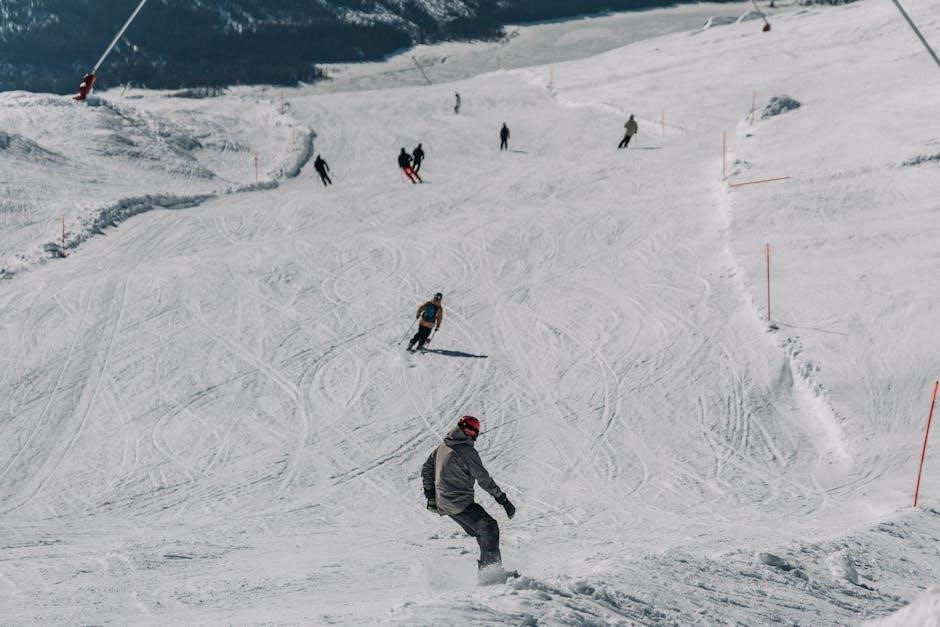
Vail’s expansive terrain demands a reliable map! This guide focuses on accessing PDF versions for planning your ski day, covering everything from beginner slopes to challenging back bowls.
Vail Mountain, a premier destination for skiers and snowboarders, boasts over 5,300 acres of diverse terrain. Navigating this vast landscape effectively requires a detailed and accessible trail map. Historically, paper maps were the standard, but the convenience and portability of PDF trail maps have revolutionized trip planning.
Understanding Vail’s layout is crucial for maximizing your time on the slopes. The mountain is divided into distinct areas – Front Side, Back Bowls, Blue Sky Basin, and Sun Up/Sun Down Bowls – each offering a unique experience. A Vail ski trail map PDF provides a comprehensive overview, showcasing lift locations, trail difficulty ratings, and key landmarks like Gore Creek and Vail Village.
These digital maps aren’t merely reproductions of paper versions; they often include interactive features, zoom capabilities, and the ability to pre-plan routes. Furthermore, access to a PDF allows for offline viewing, essential when cell service is spotty on the mountain. Whether you’re a first-time visitor or a seasoned pro, a well-utilized map is your key to unlocking Vail’s full potential. Exploring areas like Piney Lake and Lost Lake becomes easier with proper preparation.
Why Use a Vail Ski Trail Map PDF?
PDF trail maps offer significant advantages over traditional paper maps for skiers visiting Vail Mountain. Firstly, they are readily accessible – downloadable to smartphones, tablets, or computers before your trip, eliminating the need to obtain a physical copy upon arrival. This is particularly useful considering Vail’s expansive size and potential queues.
Secondly, PDFs allow for detailed examination and pre-trip planning. You can zoom in to scrutinize trail details, identify suitable runs based on your skill level, and map out a route that maximizes your enjoyment. This is especially helpful when exploring complex areas like the Back Bowls or planning a hike to Gore Lake.
Crucially, PDF maps function offline. Cell service can be unreliable on the mountain, rendering online maps useless. A downloaded Vail ski trail map PDF ensures you always have access to navigational information, enhancing safety and reducing frustration. They also offer a cost-effective solution, often available for free download from the official Vail Resort website, making preparation easier than ever.
Official Vail Resort Trail Maps ౼ Where to Find Them
The most reliable Vail ski trail maps PDF are available directly from the Vail Resorts official website. Navigate to the “Mountain Information” or “Trail Maps” section – typically found under the “Plan Your Visit” tab. Here, you’ll find downloadable PDF versions of the current season’s trail maps, often separated by area (Front Side, Back Bowls, Blue Sky Basin).
Vail also frequently provides interactive digital maps embedded on their website, offering a dynamic experience. However, for offline access, the PDF format remains essential. Additionally, guest services locations within Vail Village and at the base areas often have physical copies available, though these are subject to availability.
Third-party websites may host older versions of Vail trail maps, but these can be outdated and inaccurate. Always prioritize the official Vail Resorts source to ensure you have the most current information regarding trail closures, lift status, and difficulty ratings. Downloading the PDF before your trip guarantees a smooth and informed experience on the mountain.

Understanding Vail Mountain’s Back Bowls
Vail’s legendary Back Bowls – Sun Up, Sun Down, China, and Japan – are a defining feature, but navigating them requires careful map study. The Vail ski trail map PDF is crucial for understanding the vast, open terrain and identifying entry/exit points.
These bowls lack traditional groomed runs; instead, they offer expansive powder fields and gladed areas. The PDF map highlights the varying steepness and tree density within each bowl. Pay close attention to the marked routes and traverse lines, as visibility can be limited during storms.
Understanding the lift access points – Sun Up and Sun Down lifts – is vital. The map illustrates how these lifts deliver you to the top of the bowls and the corresponding trails for descent. Note the location of patrol shacks and emergency phone locations, also indicated on the PDF.
Successfully exploring the Back Bowls demands awareness of your skill level and a well-studied Vail ski trail map PDF to ensure a safe and enjoyable experience.
Front Side Trail Breakdown: Groomed Runs
Vail’s front side boasts a wide variety of meticulously groomed runs, perfect for all skill levels. A detailed Vail ski trail map PDF is essential for efficiently navigating this area and selecting runs that match your ability.
The PDF map clearly distinguishes between green, blue, and black diamond runs, indicating their difficulty. It also showcases the location of key lifts providing access to these groomed trails – Gondola One, Eagle Bahn Gondola, and others. Pay attention to the run names; they often hint at the terrain’s characteristics.
For beginners, the map highlights gentle slopes near the base area. Intermediate skiers will find a wealth of blue runs offering a balanced challenge. Advanced skiers can explore steeper, groomed blacks. The Vail ski trail map PDF also indicates the presence of learning areas and ski school zones.
Utilizing the PDF allows for strategic route planning, maximizing your time on the slopes and minimizing lift lines. Remember to check the daily grooming report, often linked from the map’s source.
Blue Sky Basin Exploration
Blue Sky Basin offers a unique, backcountry-style experience within Vail’s boundaries. A Vail ski trail map PDF is absolutely crucial for navigating this expansive, often ungroomed terrain. Unlike the front side, Blue Sky Basin presents a more natural, less manicured skiing environment.
The PDF map will reveal the network of trails winding through glades and open bowls. It’s vital to understand the trail ratings here, as conditions can change rapidly. Pay close attention to the marked routes and be aware of potential hazards like tree wells.
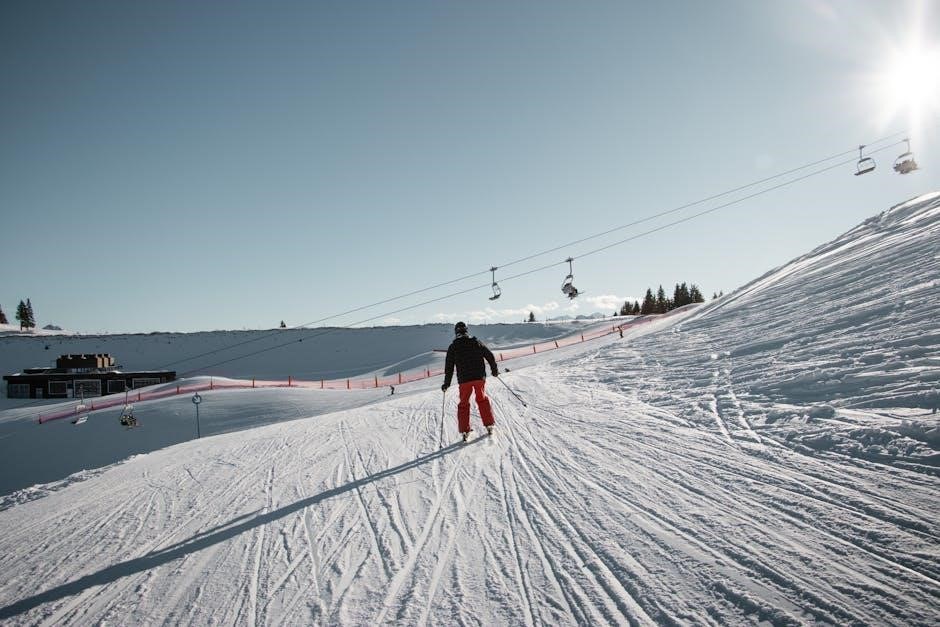
Access to Blue Sky Basin is primarily via the Skyline Express Lift. The Vail ski trail map PDF clearly shows the lift’s location and the trails branching out from the top. Popular areas like Pete’s Bowl and Earl’s Bowl are prominently displayed.
Before venturing into Blue Sky Basin, study the map carefully and consider your skill level. This area is best suited for intermediate to advanced skiers and snowboarders comfortable with variable snow conditions. Always ski with a buddy!
Vail Village & Access Points on the Map
Vail Village serves as the central hub for accessing the mountain, and your Vail ski trail map PDF will clearly illustrate its location. The map details key access points, including the Gondola One and the Eagle Bahn Gondola, both prominently featured.
Understanding the layout of the Village within the context of the trail map is essential for efficient navigation. The PDF will show the location of parking structures, ski schools, and rental shops, helping you plan your arrival and departure.
From Vail Village, you can quickly reach a variety of trails catering to all skill levels. The map highlights the beginner-friendly trails near the base, as well as the more challenging runs accessible via higher lifts.
Pay attention to the map’s depiction of pedestrian walkways and transportation routes within the Village. This will help you avoid unnecessary walking and maximize your time on the slopes. The Vail ski trail map PDF is your key to unlocking the mountain’s full potential, starting from the heart of Vail Village.
Navigating the Game Creek Bowl
Game Creek Bowl, a renowned area within Vail, requires careful navigation, and your Vail ski trail map PDF is crucial for exploring it safely and effectively. The map details the access points, primarily via the Game Creek Express Lift (Lift 7), and showcases the bowl’s varied terrain.
The PDF map will illustrate the different chutes and glades within Game Creek Bowl, highlighting their difficulty levels. Be aware that this area is generally suited for intermediate to advanced skiers and snowboarders due to its steeper pitches and tree skiing.
Pay close attention to the map’s markings for avalanche terrain. Game Creek Bowl is subject to avalanche danger, and understanding the map’s symbols is vital for making informed decisions. Always check the current avalanche forecast before venturing into the bowl.
The Vail ski trail map PDF also shows the connecting trails that lead out of Game Creek Bowl, allowing you to plan your route back to Vail Village or other parts of the mountain. Utilize the map to identify bailout routes in case of changing conditions or fatigue.
Sun Up & Sun Down Bowls: Expert Terrain
Sun Up and Sun Down Bowls represent some of the most challenging terrain at Vail, demanding respect and careful planning. Your Vail ski trail map PDF is indispensable for navigating these expansive, often unpredictable areas.
The PDF map clearly delineates the steep chutes, open bowls, and tree runs that characterize Sun Up and Sun Down. Note the marked avalanche zones; these bowls are prone to slides, especially after fresh snowfall. Always check the avalanche forecast before entering.
Understanding the map’s contour lines is crucial for visualizing the terrain’s steepness. These bowls feature significant vertical drop and require advanced skiing or snowboarding skills. The map also indicates access points via lifts like Sun Up Bowl Lift (Lift 9).
Utilize the Vail ski trail map PDF to identify potential escape routes and connecting trails. Visibility can be limited in these high-alpine areas, so knowing your options is essential. Remember, these bowls are best suited for expert skiers and riders comfortable with challenging conditions.
China Bowl & Japan Bowl: Advanced Options
China and Japan Bowls offer a thrilling experience for advanced and expert skiers and snowboarders at Vail. Your Vail ski trail map PDF is vital for safely exploring these remote and challenging areas, showcasing their unique characteristics.
The PDF map highlights the steep, ungroomed slopes and gladed terrain that define these bowls. Pay close attention to the marked boundaries and avalanche warnings, as conditions can change rapidly. These areas receive significant snowfall and often hold powder long after other parts of the mountain are tracked out.
Utilize the map to identify access points, primarily via the Skyline Express Lift (Lift 24). The map’s legend will indicate the difficulty ratings of individual runs within the bowls, helping you choose terrain appropriate for your skill level.
Carefully study the map’s contour lines to understand the steepness and complexity of the terrain. China Bowl tends to be more open, while Japan Bowl features tighter tree skiing. Always ski with a buddy and be prepared for variable conditions.

Using the Map to Plan Your Day ౼ Beginner Routes
For first-time skiers or those building confidence, a Vail ski trail map PDF is essential for identifying suitable beginner routes. The map clearly designates learning areas and gentle slopes perfect for practice.
Focus on the areas around the base of the mountain, specifically around the Eagle Bahn Gondola and Deb Park. The PDF map will highlight green runs like Settle and Aspen Glade, offering a gradual introduction to skiing. These runs are typically well-groomed and have a gentle incline.
Utilize the map’s lift symbols to plan a route that minimizes the use of more challenging lifts. The map legend will explain the color-coding system for trail difficulty, ensuring you stay on beginner-friendly terrain.
Pay attention to the map’s elevation indicators to understand the overall slope of the runs. Start with the lowest elevation runs and gradually progress as your skills improve. Remember to check the map for any temporary closures or changes to trail conditions before heading out.
Intermediate Runs: A Balanced Approach
Intermediate skiers seeking a balanced Vail experience will find the ski trail map PDF invaluable for navigating the mountain’s diverse terrain. The map showcases a wealth of blue runs offering a step up from beginner slopes, while still remaining manageable.
Explore areas like Sun Up Bowl (lower sections) and the front side of the mountain, utilizing the PDF map to identify runs like Northrock and Swamp Creek. These runs provide a good mix of groomed surfaces and gentle challenges.
The map’s contour lines will help you assess the steepness of the runs, allowing you to choose trails that match your comfort level. Pay attention to the lift access points indicated on the map, planning routes that combine different runs for a varied experience.
Consider using the map to link together blue runs from different areas of the mountain, creating a longer, more engaging ski day. Remember to check the map for current snow conditions and any potential hazards before venturing onto unfamiliar terrain.
Advanced & Expert Terrain: Mapping the Challenges
For seasoned skiers and snowboarders, the Vail ski trail map PDF is crucial for unlocking the mountain’s most challenging terrain. The map details the location of the legendary Back Bowls – Sun Up, Sun Down, China, and Japan Bowls – and the steep, ungroomed runs within them.
Expert skiers should focus on areas like Game Creek Bowl and the upper sections of Sun Up and Sun Down Bowls. The PDF map’s detailed topography reveals the steep pitches and potential hazards of these areas.
Carefully study the map’s symbols to identify areas with cliffs, trees, and other obstacles. Utilize the map to plan routes that combine challenging runs with lift access, maximizing your vertical descent.
Remember that conditions in the Back Bowls can change rapidly. Always check the avalanche forecast and be prepared for variable snow conditions. The Vail trail map is your essential tool for navigating these demanding, yet rewarding, slopes safely and effectively.
Lift Access & Corresponding Trails
The Vail ski trail map PDF is invaluable for understanding the relationship between lifts and the trails they access. Eagle Bahn Gondola, for example, provides quick access to the front side and connection points for exploring further afield. The map clearly illustrates which trails are directly served by each lift, allowing for efficient route planning.
Understanding lift lines and corresponding trail difficulty is key to maximizing your time on the mountain. The PDF format allows you to zoom in and identify trails suitable for your skill level, accessible from specific lifts.
Pay attention to the map’s color-coding, which indicates trail difficulty. Green circles denote beginner trails, blue squares represent intermediate runs, and black diamonds mark expert terrain. Use this information to choose lifts that access trails aligned with your abilities.
The map also shows the location of high-speed lifts, which can significantly reduce wait times and allow you to cover more ground. Efficient lift utilization, guided by the Vail trail map, is essential for a fulfilling ski day.
Vail Snow School & Guided Tours (Map Integration)
The Vail ski trail map PDF isn’t just for independent exploration; it’s a crucial tool for understanding Vail Snow School offerings and guided tour routes. Many lessons and tours utilize specific areas of the mountain, and the map helps visualize the terrain covered.
Look for designated meeting points for lessons marked on the PDF map. These are often located near key lifts or at the base of specific trails. Knowing the location beforehand streamlines the start of your lesson.
Guided tours, ranging from beginner-friendly explorations to expert-led backcountry adventures, are often mapped out in advance. The Vail trail map allows you to preview the route and understand the challenges involved.
The Snow School frequently updates its program details, and the map provides context for understanding the terrain suitability for different skill levels. Utilizing the map alongside program descriptions ensures you choose a lesson or tour that matches your abilities and preferences. It’s a fantastic way to enhance your learning experience!
Trail Difficulty Ratings Explained
Understanding Vail’s trail difficulty ratings is paramount when using a ski trail map PDF. Vail employs a standardized system, typically represented by color-coding, to indicate the challenge level of each run.
Green circles denote beginner trails – gentle slopes ideal for first-timers and those building confidence. These runs are generally wide and well-groomed, offering a relaxed experience.
Blue squares signify intermediate terrain. Expect moderate slopes with some steeper sections, requiring more control and technique. These trails are a great stepping stone for progressing skiers and snowboarders.
Black diamonds represent expert runs – steep, challenging slopes demanding advanced skills and experience. These often feature moguls, trees, and variable snow conditions.
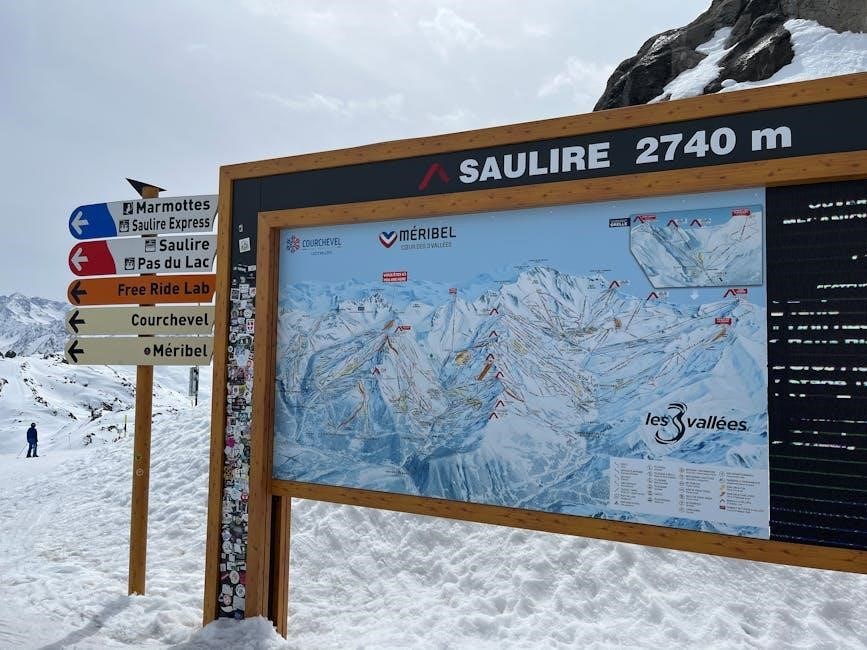
Double black diamonds indicate the most difficult terrain, reserved for highly skilled and adventurous riders. Expect extreme steepness, obstacles, and potentially ungroomed conditions. The PDF map clearly displays these ratings, allowing you to select runs appropriate for your ability level and ensuring a safe and enjoyable experience.
Key Map Symbols & Legends
Successfully navigating Vail with a ski trail map PDF hinges on understanding its symbols and legend. The map isn’t just lines representing runs; it’s a visual language communicating crucial information.
Lift symbols clearly indicate the type of lift – gondola, chairlift (single, double, high-speed), and surface lifts. Their corresponding numbers link to specific trails accessible from each lift.
Trail symbols, as discussed, use color-coding (green, blue, black diamond) to denote difficulty. Variations within these colors might indicate groomed versus ungroomed runs.
Points of interest are marked with specific icons: restaurants, restrooms, first aid stations, ski patrol huts, and even hiking trailheads (like those near Gore Lake or Deluge Lake).
Contour lines illustrate the mountain’s topography, revealing steepness and terrain features. The legend explains the elevation intervals represented by each line.
Pay close attention to symbols denoting multi-use trails, potentially shared with hikers, and EXIT points for accessing different areas of the resort. A thorough review of the legend before hitting the slopes is essential for confident navigation.
Downloading & Printing Vail Trail Maps (PDF Format)
Obtaining a Vail ski trail map PDF is straightforward, ensuring you have a reliable guide even without cell service. The official Vail Resort website is the primary source; navigate to the “Mountain Information” or “Trail Maps” section. Look for a downloadable PDF version, often available in high-resolution for printing.
Several third-party websites archive older versions of Vail maps, useful for historical reference or if you prefer a specific layout. However, always prioritize the official resort map for the most up-to-date information.
When downloading, ensure you have sufficient storage space. The PDF files can be quite large due to detailed graphics. For printing, select “Fit to Page” to avoid cropping important details. Consider printing on waterproof paper, given potential snow or moisture exposure.
Remember to check the date on the PDF to confirm it’s current (updated April 15, 2026, as of this guide). Having a printed copy alongside a mobile app provides redundancy and peace of mind while exploring the mountain.
Mobile App Alternatives to PDF Maps
While Vail ski trail map PDFs are valuable, several mobile applications offer interactive and dynamic mapping experiences. The official Vail Mountain app, often available for both iOS and Android, provides real-time trail status updates, lift closures, and even your GPS location on the map.
Third-party ski mapping apps, like OnTheSnow or Ski Tracks, also support Vail and offer features such as run tracking, vertical feet descended, and speed measurements. These apps frequently utilize GPS, so battery life is a consideration.
A key advantage of mobile apps is their ability to display current conditions, which a static PDF cannot. However, reliance on cell service or pre-downloaded maps is crucial, as coverage can be spotty on the mountain.
Consider downloading offline maps within the app before your visit. Combining a PDF map for overview with a mobile app for real-time data provides the most comprehensive navigational solution for your Vail ski adventure.

Safety Considerations When Using Trail Maps
Navigating Vail Mountain safely requires more than just a ski trail map PDF or mobile app. Always be aware of your surroundings and ski within your ability level. Trail difficulty ratings are guidelines, but conditions can change rapidly due to weather and snowpack.
Before heading out, inform someone of your planned route and expected return time. Pay attention to signage indicating closed trails or hazards. Vail’s back bowls, while legendary, can be particularly challenging and prone to whiteout conditions – careful route planning is essential.
Carry essential safety gear, including a whistle, appropriate clothing layers, and a fully charged mobile phone. Familiarize yourself with the map’s key and symbols before your descent.
Remember that maps don’t account for unforeseen circumstances. If you become disoriented, retrace your steps or seek assistance from ski patrol. Prioritize safety and responsible skiing practices to ensure an enjoyable experience on Vail Mountain.